Against the surging demand for ultra-fast-charging and high-capacity batteries in new-energy vehicles and large-scale energy storage systems, the performance of conventional graphite anodes is approaching its theoretical limits. Black phosphorus (BP), despite its ultra-high lithium storage capacity, is plagued by intrinsic drawbacks including poor conductivity, sluggish reaction kinetics, and severe volume expansion during cycling, which cause rapid capacity fading in fast-charging operations.
Recently, a collaborative research team led by Prof. MA Yanwei from the Institute of Electrical Engineering and scientists from Royal Melbourne Institute of Technology University developed a lattice phosphorus-nitrogen (P-N) bond engineering strategy, which enables stable ultra-high-rate charge-discharge of BP anodes—a critical advancement for the practical application of BP-based fast-charging batteries.
The study was published in Nature Communications on April 21.
At the atomic scale, the research team precisely incorporated P-N bonds into the BP lattice. These bonds weaken the covalency of adjacent P-P bonds, inducing localized bond cleavage during lithiation to activate P-P bonds. This mechanism accelerates charge transport, significantly boosting the kinetics of conversion reactions. Leveraging this breakthrough, the team fabricated a pouch cell with a BP anode and lithium iron phosphate (LFP) cathode, achieving an energy density of282 Wh/kg. Under high-rate charging, the cell reaches 80% of its theoretical capacity in just 10 minutes and maintains stable operation over thousands of cycles, demonstrating exceptional fast-charging cyclability.
“This work establishes a novel technical paradigm for next-generation high-energy and high-power energy storage batteries. It will promote technology progress in in new energy vehicles, grid energy storage and specialized energy storage equipment.” said WANG Kai, corresponding author of the study.
The research was funded by the National Natural Science Foundation of China, the Natural Science Foundation of Beijing Municipality, and the Australian Research Council.
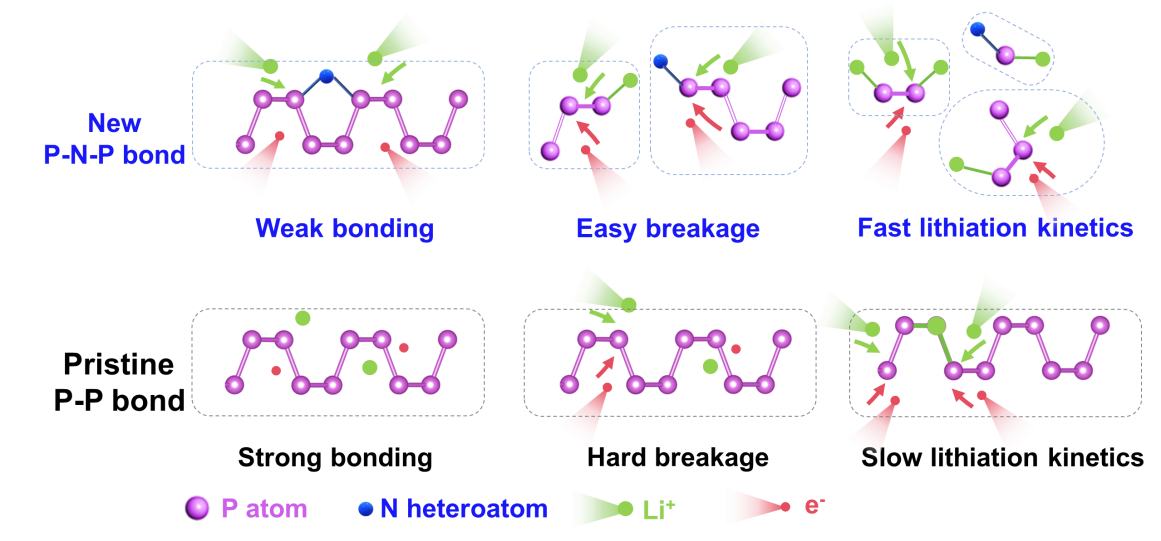
Figure 1:P-N-P Structure Enables Fast Reaction Kinetics
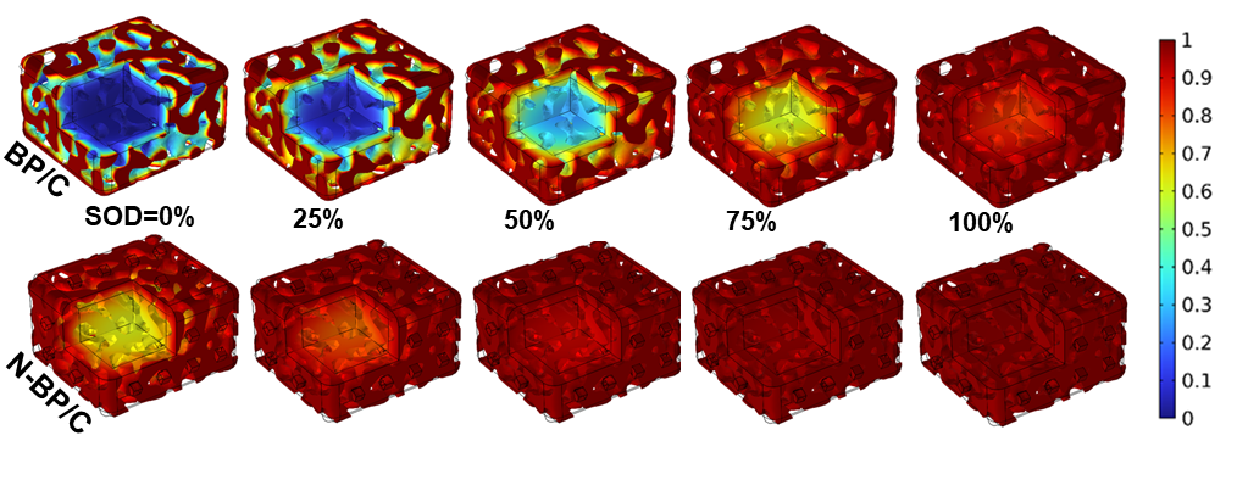
Figure 2:Superior Lithium-Ion Concentration Distribution of Black Phosphorus Electrodes at Different Discharge States


